
Lawn Care
Lawn Fertilization in Metro Detroit
Feedings timed to how Michigan turf actually grows — not one bag in May and hope for the best.
Cool-season grass in southeast Michigan has two real growth windows: spring and fall. Feed it heavily in July and you push soft top growth right when the plant is trying to conserve energy, which invites disease. Feed it properly in September and October and you get a lawn that comes out of winter thick and green weeks ahead of the neighbors.
The program
- Early spring: light feeding with pre-emergent to get ahead of crabgrass
- Late spring: balanced feeding through the strongest growth period
- Summer: a lighter, slow-release application that will not burn in heat
- Early fall: the recovery round, best paired with aeration and seed
- Late fall: winterizer that feeds the roots after top growth stops
Why granular
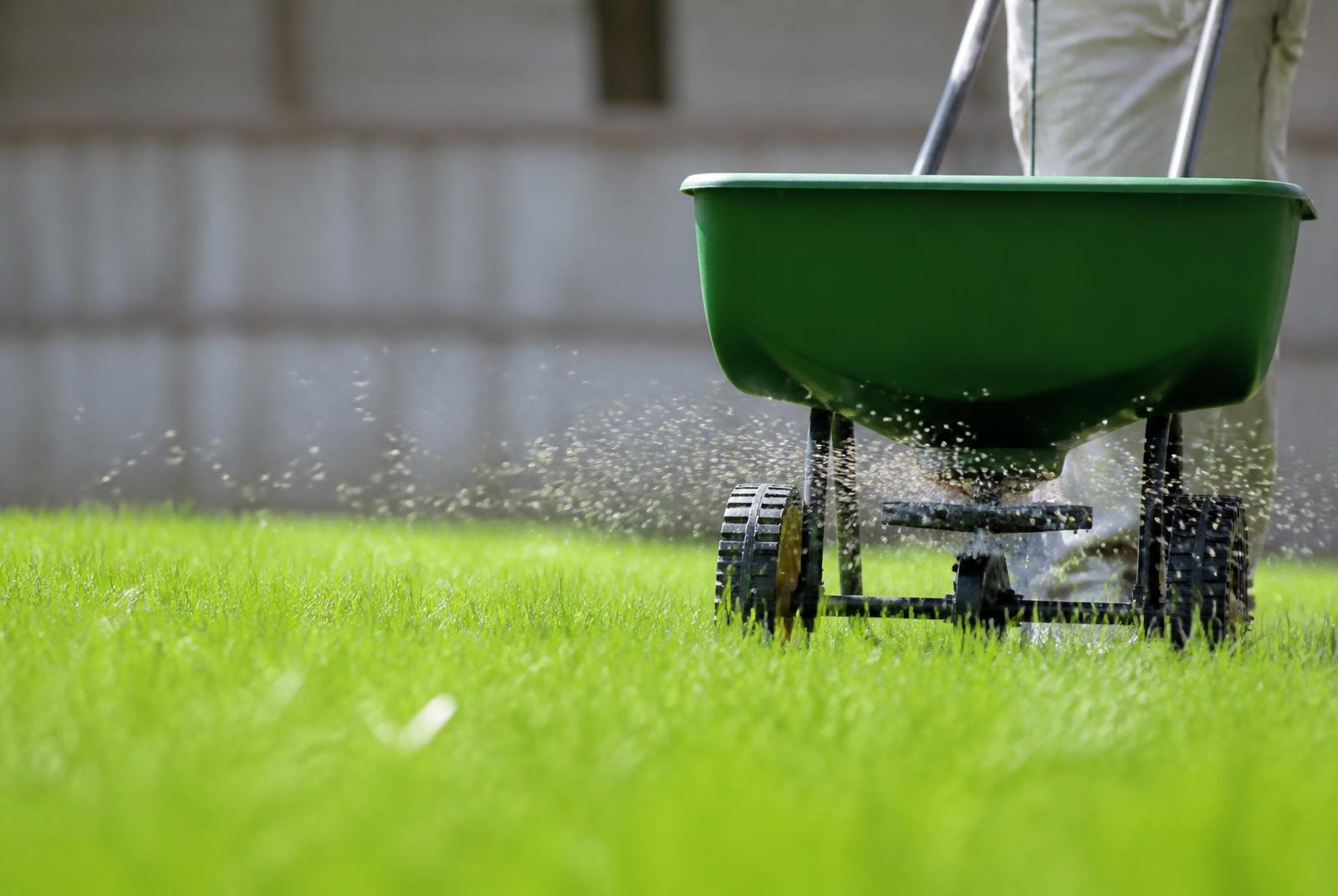
We use granular slow-release products rather than a quick liquid green-up. Granular feeds over weeks instead of days, holds up better on clay soil, and does not leave you with a surge of growth that has to be mowed twice in five days.
Fertilizer is not a fix for everything
If a lawn is thin because the soil is compacted, feeding it harder will not help. The honest answer is often aeration first, seed second, fertilizer third. We will tell you that instead of selling you more applications.
This service is part of our lawn care service work across Metro Detroit. Bundle it with a regular route stop and you skip the trip charge.
Other Lawn Care Services
Lawn Mowing
Weekly and bi-weekly cuts with clean trim lines and blown-off walks.
Learn moreWeed Control
Pre-emergent in spring, spot treatments through the growing season.
Learn moreSpring & Fall Cleanup
Leaf hauling, bed clearing, and the reset your yard needs twice a year.
Learn moreAeration & Overseeding
Core aeration and seed in early fall to thicken thin, compacted lawns.
Learn moreCommon Questions
- How many fertilizer applications does a Michigan lawn need?
- Four to five across the year works for most Metro Detroit lawns: an early spring feeding, a late spring application, a light summer feeding, an early fall round, and a late fall winterizer. The fall applications matter most and are the ones homeowners usually skip.
- Is the late fall application really worth it?
- It is the single most valuable feeding of the year. The grass has stopped growing on top but roots are still active, so the nutrients go into root storage and come back as early green-up and thicker turf next spring.
- Is it safe for kids and pets?
- Granular products need to be watered in and dried before use of the lawn, generally 24 hours. We tell you exactly what went down and when it is safe to be back on the grass.
- How soon will I see a difference?
- Color usually shifts within 7 to 14 days. Density is a longer game — a thin lawn typically takes a full season of feeding plus a fall aeration and overseeding to fill in properly.
Want a straight answer on price?
Send the address and what you need. Most quotes go out the same day, and there is no charge to ask.